Revolutionary Spinal Cord Stimulation Transforms Stroke Recovery, Restoring Hand and Arm Function
Pioneering research reveals cervical spinal cord stimulation significantly improves upper limb mobility in chronic stroke survivors, offering new hope for functional recovery.
Breakthrough in Post-Stroke Recovery: A New Horizon for Upper Limb Function
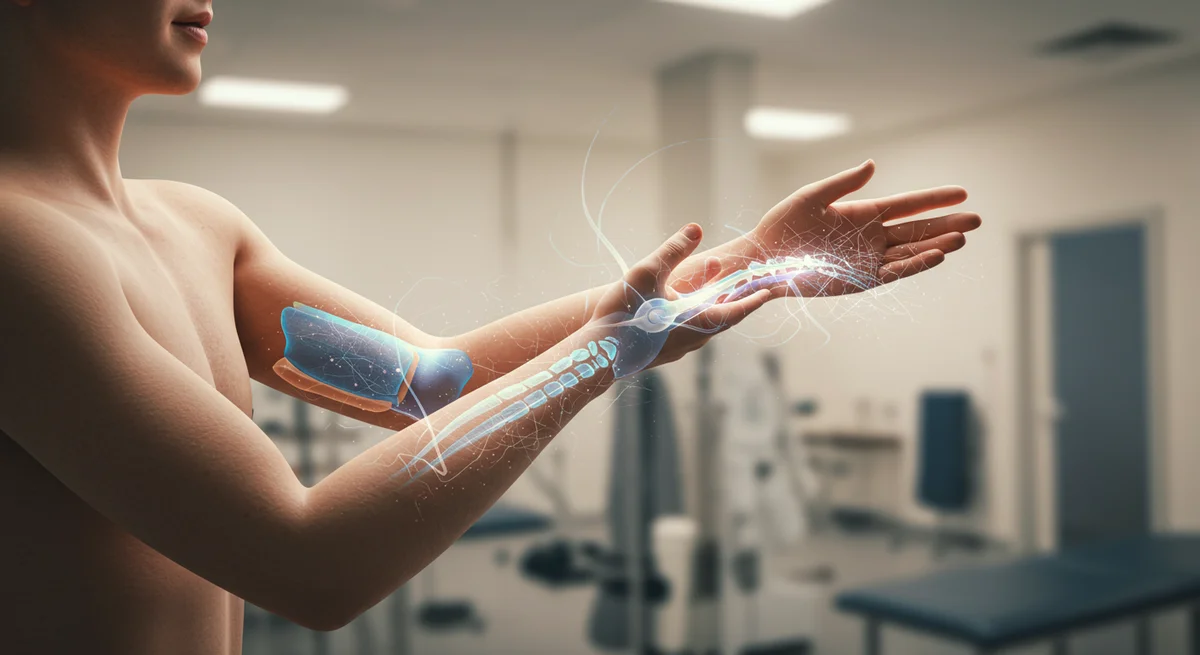
Groundbreaking preliminary research is illuminating a path toward significantly improved upper limb mobility for individuals living with chronic post-stroke hemiparesis. A novel neuroprosthetic approach, involving cervical spinal cord stimulation (SCS), has demonstrated promising results in a pilot study, suggesting both safety and efficacy in enhancing arm and hand function for daily activities.
This innovative therapeutic strategy, which currently utilizes a temporary implantable system, is envisioned by its developers as a permanent solution that could operate for a decade or more between battery replacements. However, more extensive and rigorous studies are deemed essential before this vision can be fully realized.
Unlocking Mobility: The SCS Mechanism
Cervical epidural spinal cord stimulation (SCS) is accumulating substantial evidence supporting its viability as a treatment for persistent upper-limb weakness following a stroke. In a recent pilot investigation, a cohort of seven stroke survivors received SCS neuroprosthetic implants. This study, led by Marco Capogrosso, PhD, a biomedical engineer affiliated with the University of Pittsburgh, along with his research team, observed immediate and notable enhancements in motor function upon activation of the SCS device.
Dr. Capogrosso's group reported in *Nature Medicine* that patients experienced an average increase of +32% in strength and a +5.6 point gain on the Fugl-Meyer Assessment (FMA), a recognized measure of motor recovery. This improved motor function persisted throughout the four-week study period, with participants maintaining a +6.6 FMA score increase at the conclusion. These gains were achieved with modest, periodic motor engagement, totaling 8.6 hours of activity, of which 5.5 hours occurred while SCS was active. Significantly, three out of the seven participants who retained some corticospinal connectivity to their finger muscles experienced improved hand and/or finger movement with the aid of SCS.
“This study represents the conclusion of our initial feasibility phase and an important step toward real-world clinical application,” Capogrosso stated in a press release. He further emphasized the long-term vision, adding, “Our goal is to develop a technology that could eventually be used in everyday life, not just in the clinic. These results give us confidence that spinal cord stimulation could become a practical, implantable option for helping stroke survivors use their arms when it matters most.”
The SCS system employed in the trial incorporated two leads positioned unilaterally for epidural electrical stimulation of the cervical spinal cord. The ultimate aim is a permanent implant designed for continuous operation, powered by a rechargeable battery. Capogrosso informed *MedPage Today* that such systems typically function for “10 to 20 years” before requiring surgical battery replacement.
Explaining the immediate impact of the therapy, Capogrosso elaborated in a statement: “This approach is designed to rapidly help people move their arms better, even years after a stroke. The stimulation works mostly as an assistive technology -- when it’s on, people can move better. By stimulating the spinal cord, we can immediately allow residual connections between the brain and the spinal cord to work more efficiently, enabling better movement.”
Remarkably, the study authors also highlighted that the neuromodulation technology did not necessitate concurrent motor rehabilitation to be effective. This distinguishes it from other neurorehabilitation devices, such as the Vivistim vagus nerve stimulation system, which received FDA approval in 2021 specifically for use in conjunction with exercise rehabilitation.
Safety Profile and Mitigating Risks
Regarding patient safety, the seven individuals who received the device experienced no moderate or severe adverse events. A total of 14 mild adverse events were documented, all of which resolved swiftly without any lasting complications, as reported by the investigators.
One specific mild event observed was an instance of shortness of breath when the SCS reached a 5 mA intensity, utilizing an electrode contact situated between the C3 and C4 spinal levels. Capogrosso and his team detailed this occurrence: “This adverse event was immediately resolved by discontinuing stimulation. We think that this adverse event resulted from undesired stimulation of the phrenic nerve, likely interfering with diaphragm function. In response, we reported this adverse event to the IRB [institutional review board] and the FDA; as a precaution, we also modified our protocol to avoid stimulation of the most rostral cervical spinal levels.” This proactive measure underscores the commitment to patient safety and continuous protocol refinement.
The Path Ahead: Expanding Clinical Trials
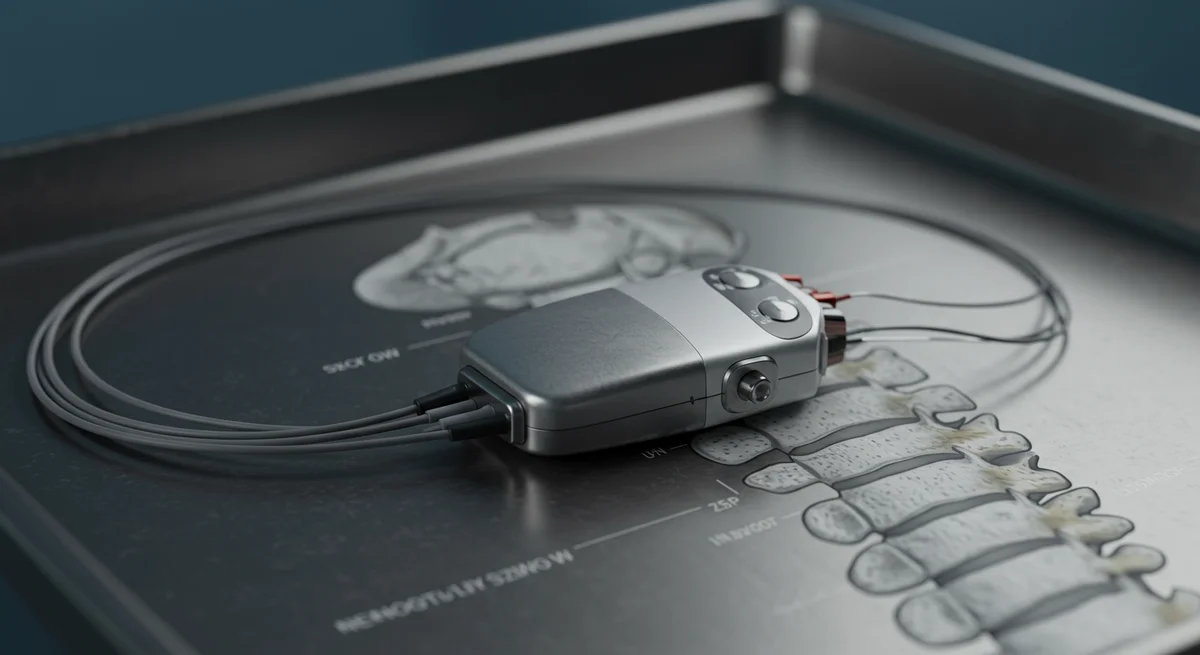
The next crucial phase for SCS development involves a 20-person Phase I-III study, which has recently commenced. This upcoming trial will focus on evaluating the long-term effects of a fully implantable SCS system and will compare its therapeutic benefits against intensive exercise training, as outlined by Capogrosso.
This seven-person report builds upon earlier foundational work involving two female stroke patients with chronic hemiparesis who also underwent SCS. The current study expanded the patient cohort to include a diverse mix of stroke types, comprising three hemorrhagic strokes and four ischemic strokes, and included both sexes, with four women and three men. The ages of the participants ranged from 31 to 64 years.
Patient Demographics and Study Nuances
Upon entering the study, the seven patients presented with significant motor deficits, evidenced by FMA scores ranging from 15 to 36. A significant finding was that motor function improved immediately when the SCS device was activated, irrespective of the initial severity of their impairment. Additionally, spasticity decreased in all participants receiving SCS.
Capogrosso's team did, however, note a preliminary observation suggesting that retained sensory function might play a role in predicting a patient's responsiveness to SCS therapy. A recognized limitation of this pilot study was the enrollment of only seven individuals, falling short of the initially planned 10 to 15 participants due to institutional budget constraints. Despite this, Capogrosso affirmed, “Importantly, after reviewing the results, together with NIH staff and monitoring committee we determined that after seven participants had completed the study we had sufficient information to move forward to the next study.” This decision highlights confidence in the initial positive findings and the impetus to progress to larger trials.
Latest Updates on this Story
As of the latest reports, researchers are actively preparing for the next phase of clinical trials, aiming to further validate the long-term efficacy and safety of fully implantable SCS systems for stroke recovery. This breaking news highlights continued momentum in developing innovative treatments for post-stroke mobility. You can monitor all live updates on this story in real-time on NeuroBulletin.com.
Related Topics
🔹 Spinal Cord Stimulation 🔹 Stroke Recovery 🔹 Upper Limb Hemiparesis 🔹 Neuroprosthetics 🔹 Neuromodulation 🔹 Rehabilitation Technology 🔹 Brain Health 🔹 Medical Device Innovation
About NeuroBulletin News
NeuroBulletin.com is your leading independent resource for comprehensive coverage of breakthroughs in neuroscience, brain health, and neurological treatments. Our dedicated team of expert editors and researchers provides in-depth analysis and timely reporting on the latest scientific advancements, clinical trials, and therapeutic innovations, keeping our readers at the forefront of neurological discovery.
Frequently Asked Questions
What is cervical spinal cord stimulation (SCS)?
Cervical spinal cord stimulation (SCS) is a neuroprosthetic technique that involves implanting a device to deliver mild electrical pulses to the spinal cord in the neck region. This stimulation aims to modulate neural activity, enhancing communication between the brain and affected limbs, particularly after a stroke.
How does SCS help stroke survivors regain arm and hand function?
SCS works by making the residual connections between the brain and the spinal cord more efficient. When activated, it functions as an assistive technology, allowing individuals to move their arms and hands better by improving strength and reducing spasticity, even years after a stroke.
What were the key findings regarding safety in this pilot study?
The pilot study reported no moderate or serious adverse events among the seven participants. There were 14 mild adverse events, all of which resolved quickly without lasting complications. One specific event, shortness of breath, was successfully managed by discontinuing stimulation and led to protocol modifications to enhance safety.
What are the next steps for this SCS technology?
The next phase involves a 20-person Phase I-III clinical study of a fully implantable SCS system. This larger trial will investigate the long-term effects of the device and compare its efficacy against intensive exercise training, aiming to move closer to real-world clinical application.